
Rock painting is a reasonably is not a costly activity. The materials required for rock painting are typically inexpensive, regardless of whether you are doing it for hobby or as a business activity.

At the start first collect the best rock painting supplies you’ll need to begin rock painting! A list of basic requirements for your workshop can be found below. Unique sources and links that are both distinct and crucial for users are included in this list.
Smooth Rocks are Best for Painting
For best stone painting, smooth stones work best. Raw and uneven stone’s texture will make painting more difficult and cause the image to be distorted.

In addition to finding rocks for best rock painting supplies, you can get smooth, high-quality rocks online or from the closest craft stores.
A Wide Range of Color Paints for Best Rock Painting Supplies

Rock painting can be done with an extensive range of paint types, but using acrylic paint is a great way to start with the basics.
Acrylics dry quickly and are based on water. Usually, you can clean up a paint spill
with soap and water if you catch it before it dries.
You can get acrylic paint in an extensive range of colors and sizes. Despite the wide range of prices, you should spend a little more to have good covering for your rocks. This pricing difference will have a significant impact on how many coats you need to use.
Although many brands are available, the best coverage can be found with Apple Barrel Colors, Anita’s, FolkArt, Americana, Deco Art, and Ceram coat.

Painting Brushes and other supply tools
For best rock painting supplies, spending a lot of money on high-quality paintbrushes is not necessary.
Since we’re working with solid, not absorbent canvas—a rock!—you’ll essentially need a collection of brushes ranging in thickness from fine to thick.

You will require a fine-tipped brush with a limited paint capacity for certain tasks. You will need flat brushes for base coating and broad strokes , rounded brushes that you can “load” with paint for larger surfaces. A variety is available at craft stores.
You will find out which brushes you preferred after your initial batches of rocks, and you might even start making changes to them as well.
Similarly, squirrel and sable bristles are preferred for water coloring, whereas hog bristles are the traditional brushes for oil painting.
Colored and Ink Pencils
It’s fascinating to use colored pencils on rocks. While colored pencils are best utilized on smooth, light-hued surfaces, they can also be used to draw and color on rocks, giving a blend able medium for a variety of designs.

You may require a basic pack of Crayola colored pencils for an interesting day of rock painting with coloured pencils.
With a set of watercolour pencils, you can improve your level of skill. This Inktense pencil set is amazing. Using a wet paintbrush, you go over the pencil lines you made on the rock. The colours are a wonderful mix. Instant masterpiece with minimal work. These pencils’ effect is amazing.
Rock Sealants for Painted Surfaces
One of the most frequently asked questions of people about rock painting supplies is sealing, which is an important step in the whole process.

One of the most frequently asked questions of people about rock painting supplies is sealing, which is an important step in the whole process.
Your rock will quickly crumble once it is outside and exposed to the weather; therefore, your rocks should be sealed if you want to protect them from the weather or even start selling them later.
Both spray-on and paint-on sealers are available but advisable to use a spray-on sealant to protect painted rocks. It dries significantly faster than the liquid and is a lot simpler to use. Additionally, there are numerous finishes available for spray sealers. They are easily located in most stores alongside the other spray paints.
Krylon is a great option in spray due to its crystal-clear quality; further, ModPodge is also a good option. It is clear, dries fast, and doesn’t turn the rock yellow. Additionally, Aleene’s provides an excellent spray sealer that is easily accessible and provides exceptional coverage.
Other Stuff
For the best rock painting supplies, a few additional items below are always needed to mark them off your supply list.
Stencils and Stamps
When sketching a design, stencils are an ideal spot to start. Similarly It’s interesting to apply stamps to rocks and then color them in.

Paper Towels
These will be required. As in, a lot! Not just to clear up spills, but also to clean the ball stylus pens.

These things will significantly simplify your cleanup process.

Comprehensive List of Supplies for Beginner Rock Painters
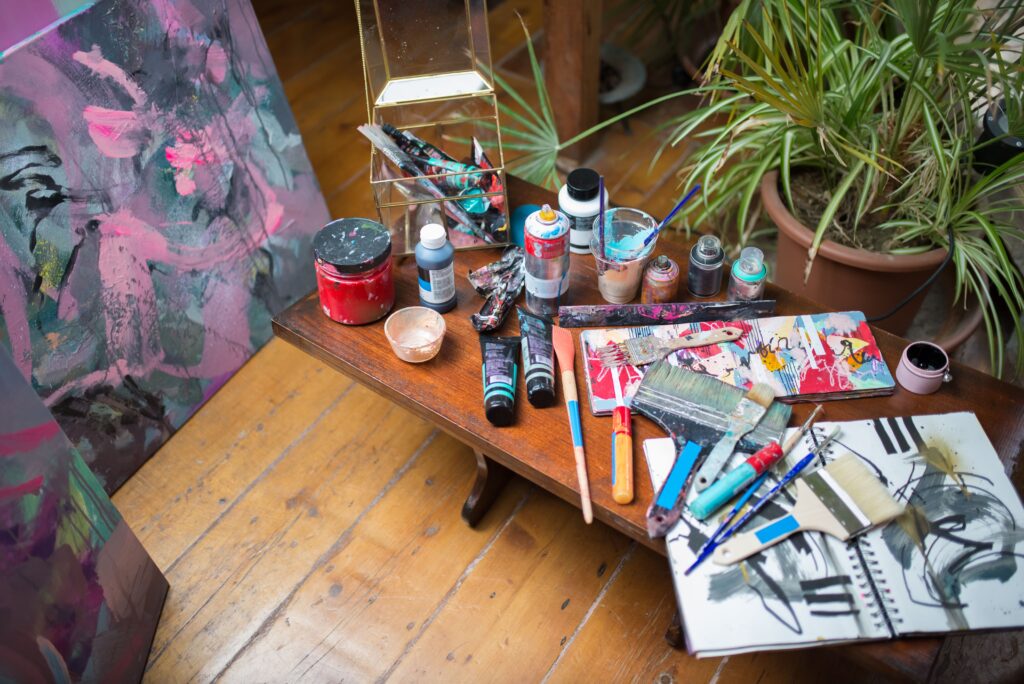
Purchasing each tool on the market is not necessary if you are just beginning to paint rocks. You can make beautiful painted rocks at a reasonable cost with just a basic starting kit.
A basic checklist that every beginner requires is as follows:
Craft or river rocks that are smooth
Diverse colored acrylic paints
Acrylic paint in black and white for base coats
Various sizes of paintbrushes
Dotting tool or some substitutes
Disposable plate or paint palette
A clean cup of water
Paper towel
A pencil and an eraser for drawing
Acrylic spray Sealer
Apron or used clothes
Disposable Gloves that can be thrown away
You can gradually invest in professional instruments without having to pay a lot of money up front if you gain more knowledge.
How to Select Quality Rock Painting Supplies
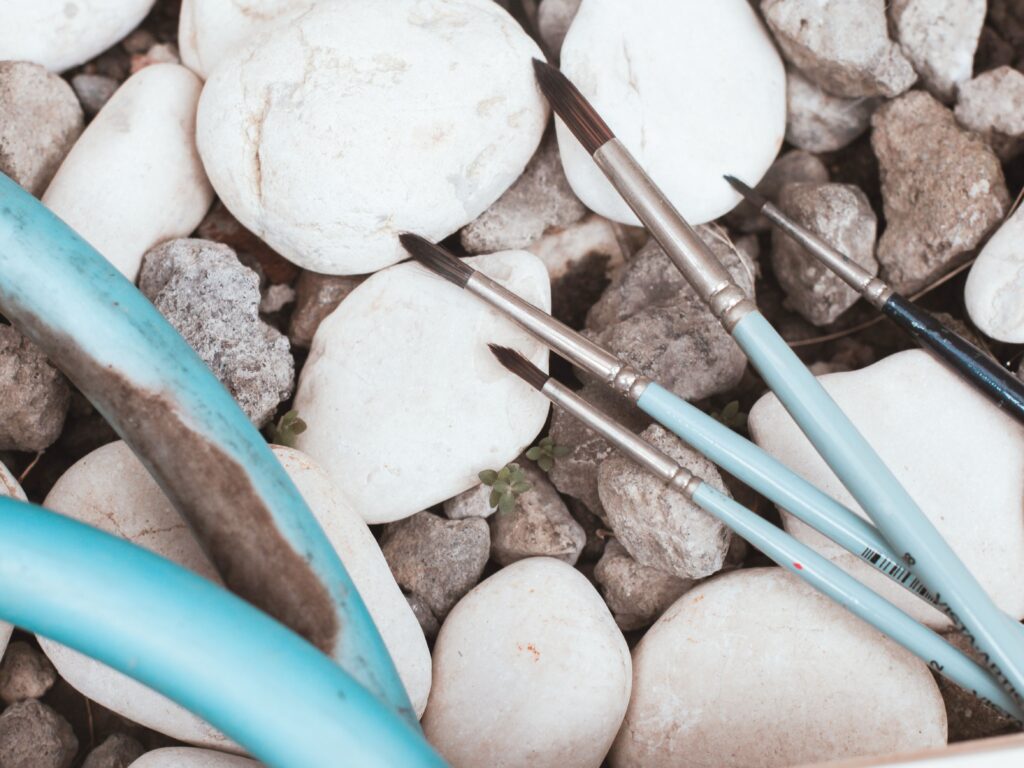
Purchasing the cheapest or least expensive goods isn’t always the best option. Higher-quality materials typically result in longer-lasting artwork, smoother surfaces, and brighter colors.
When buying goods, keep an eye out for:
High pigment concentration acrylic paints
Brushes made of soft synthetic materials that don’t shed bristles
Smooth, unbroken stones
Water-resistant sealants for outdoor projects
Comfortable dotting tools with a variety of tip sizes
Painting becomes easier with high-quality supplies, and beginners can produce better results with less aggravation.
Affordable Supplies Suitable for Rock Painting
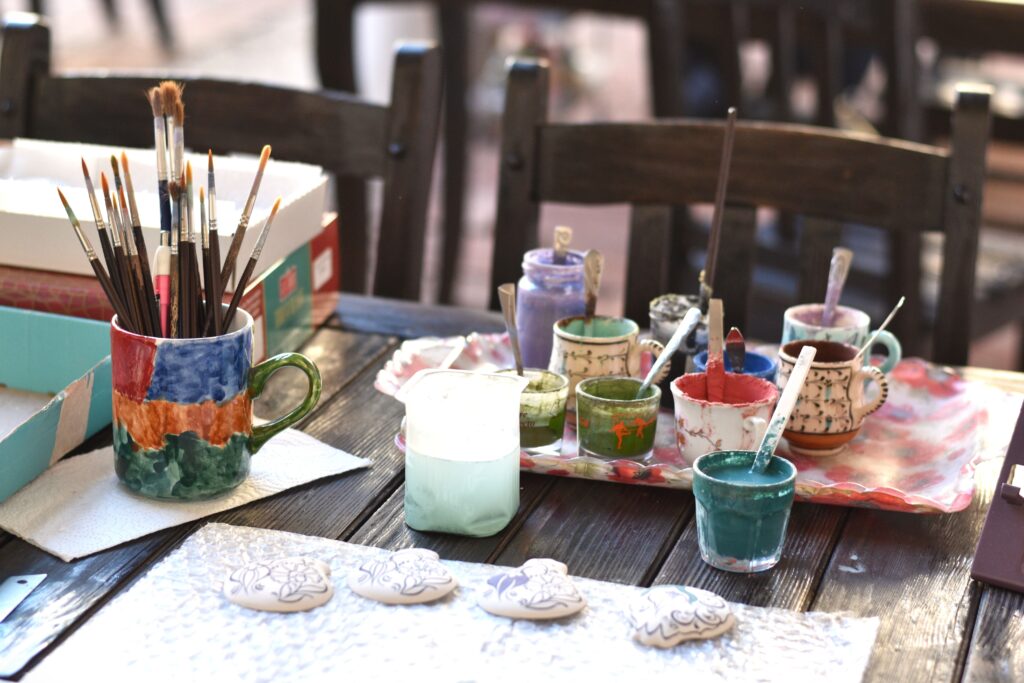
The reality that expensive equipment is not needed for rock painting is one of its main benefits.
Your home is filled with many practical tools, such as:
Small dots with cotton swabs
Toothpicks for small details
Medium-sized dot erasers for pencils
For textured backgrounds, use makeup sponges
Paint palette plastic sheets
Use old newspapers to shield your workspace.
These easy substitutes help lower the total cost of your activity and perform surprisingly well.
How to Maintain Your Rock Painting Supplies
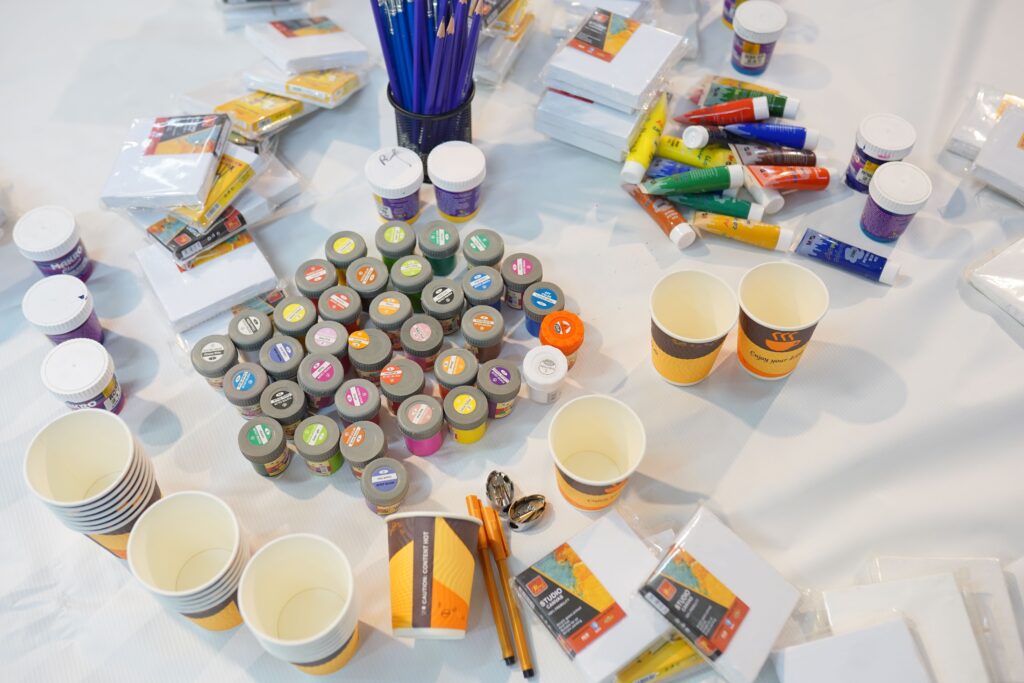
Keeping good care of your supplies extends their lifespan and maintains the professional appearance of your artwork.
Here are a few basic maintenance pointers:
After using brushes, wash them right away.
Acrylic paints should be kept dry and cool.
Paint lids should be kept firmly closed.
After each color change, clean the dotting instruments.
Painted rocks should be kept out of direct sunlight until the sealer has completely dried.
Your future work will be better, and you will save money if you take a few extra minutes to clean your tools.
Common Mistakes Beginners Make When Purchasing Supplies for Rock Painting
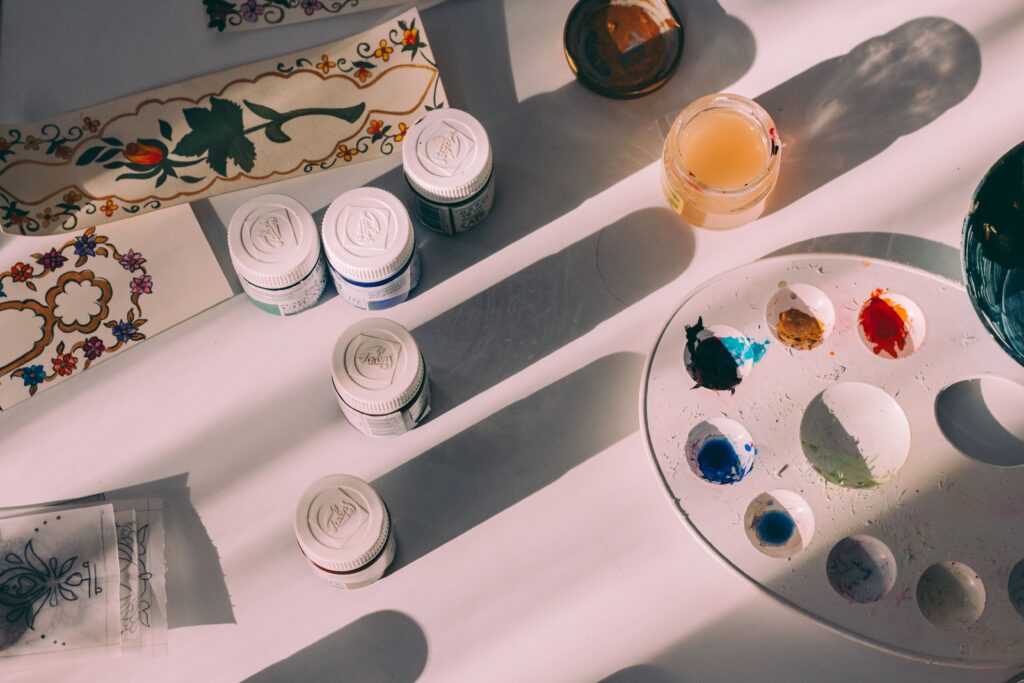
A lot of beginners buy unnecessary tools before understanding the fundamentals.
Aim to stay away from these typical errors:
purchasing inexpensive acrylic paints that don’t cover well.
using rough stones rather than smooth ones.
skipping the base coat or primer.
not using a protective sealant.
buying too many brushes before realizing their intended use.
applying interior sealants to garden pebbles outside.
The learning process will be much more fun if you start with the correct supplies.
Professional Advice from Experienced Rock Painters
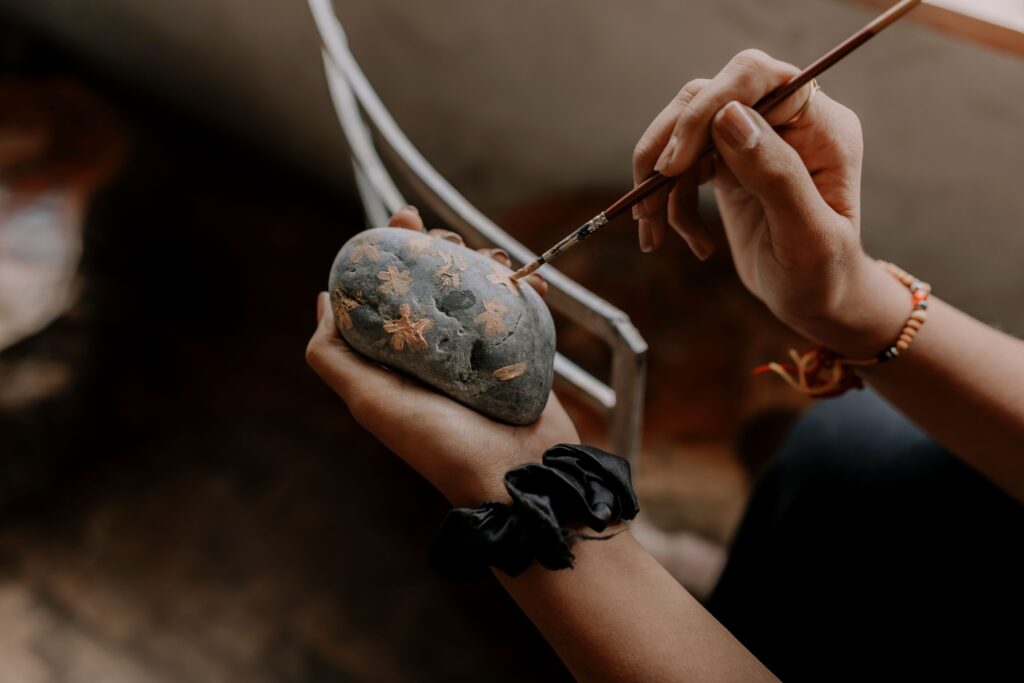
You’ll learn small techniques over time that significantly impact the quality of your artwork.
Here are some useful pointers:
Paint only on completely dry stones.
Instead of applying one thick coat of paint, apply two light applications.
Before adding details, let each layer dry.
Before painting the rock, try out new paint colors on paper.
To view the true color of your paints, use daylight.
Use two light applications instead of one thick coat to seal finished rocks.
Your painted rocks will look much better and last longer if you follow these easy habits.
Frequently Asked Questions

What are the most necessary supplies for beginner rock painters?
The essentials that any beginner should have include smooth rocks, acrylic paints, paintbrushes, dotting tools, a paint palette, and a clear sealant.
Can I paint rocks using ordinary craft paint?
Yes, acrylic craft paint is among the greatest options since it comes in a variety of colors, dries quickly, and provides good coverage.
Where are smooth rocks found?
Smooth river rocks can be bought online in large quantities, from craft stores, or collected when allowed.
Why is sealing painted rocks necessary?
The artwork is protected from moisture, scratches, sunshine, and fading by a clear sealant. If the stones will be on exhibit outside, it is particularly crucial.
Do you need costly paintbrushes?
No, affordable synthetic brushes can produce great results even for beginners. As your abilities advance, you can purchase better brushes if necessary.
What is the lifespan of painted rocks?
Even when shown outdoors, painted rocks can endure for many years with the right preparation and a high-quality sealer.
Conclusion

People of all ages can express their creativity through the enjoyable, inexpensive, and fulfilling hobby of rock painting. You may produce stunning artwork that lasts for years by selecting the appropriate supplies, correctly preparing your stones, and using high-quality paints and sealants. Purchasing the proper rock painting supplies will increase the enjoyment and success of your projects, whether you’re painting for fun, creating personalized gifts, or launching a small craft business. Begin with the fundamentals, practice frequently, and—above all—enjoy the creative process.
References
https://www.pinterest.com/