
Rock painting is a pleasant, creative activity that is enjoyed by beginners, kids, and crafters alike. The correct rocks are necessary before you can begin creating vibrant works of art. Many beginners find it difficult to find rocks that are smooth and ready for paint. Which is important and exactly the painting results might be greatly affected by knowing where to find the best rocks for painting.

The right rock surface prolongs the life of your artwork, enhances design quality, and facilitates paint application.
This guide will teach you how to pick the ideal rocks for painting, where to find them, and what kinds are best.
The Significance of Selecting the Best Rocks for Painting

Not every rock can be used for painting. Some are difficult to paint because they are too weak, too rough, or have weird shapes. The ideal rocks to paint are :
- Smooth
- Almost flat or gently curved
- solid, not crumbly
- Dry and clean
Selecting the appropriate rock helps in correct application of paint and protects against future peeling or cracking. Even if you’re just getting started, good rocks also give your designs a more polished appearance.
Ideal Locations where to Find the Best Rocks for Painting
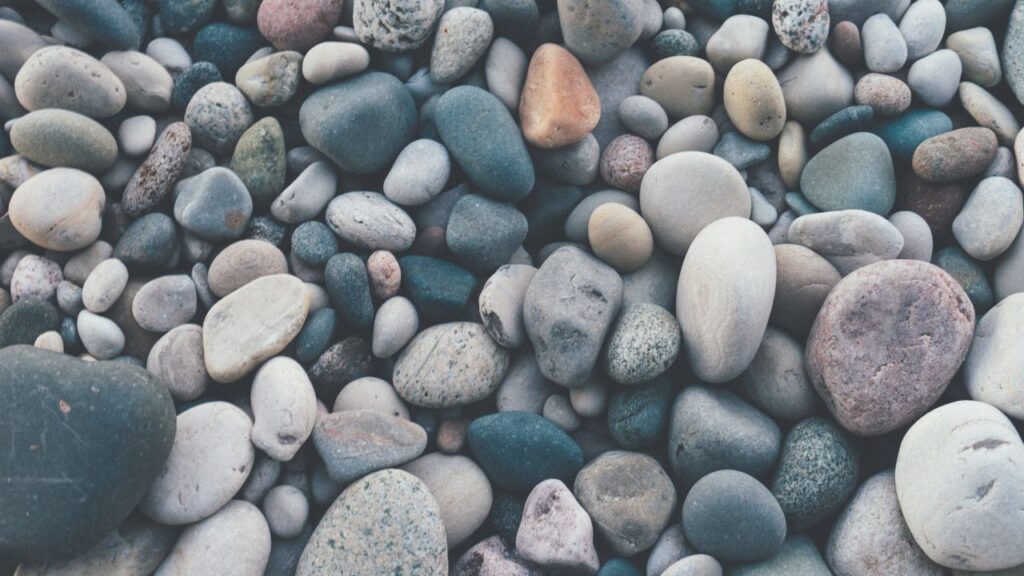
The fact that materials for rock painting are frequently available for free is one of its best features. Here are some excellent locations to search:
Streams and Riverbanks
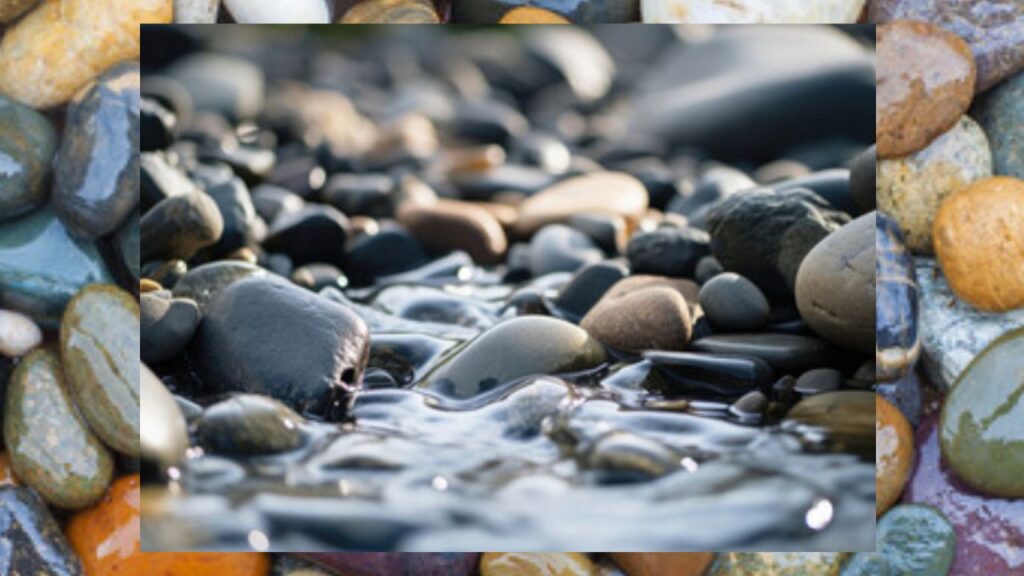
Over time, rivers naturally polish down stones, making them ideal for painting. Find flat stones close to the water’s edge. Typically, the naturally shiny appearance of these stones enhances acrylic paint nicely.
The Beaches
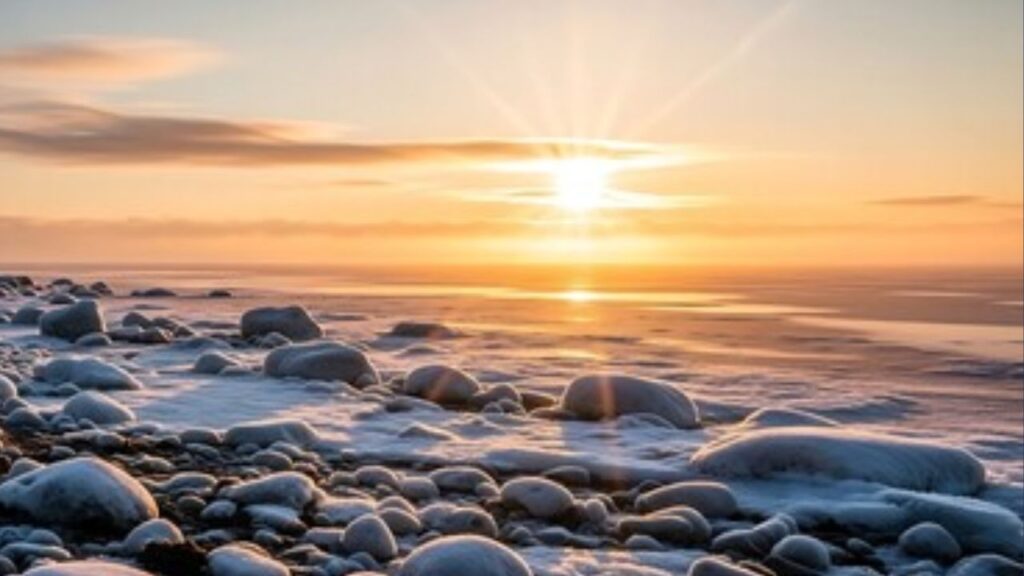
Beaches are a great place to find smooth rocks and place where to find the Best Rocks for Painting. Stones are continually thrown against one another by waves, producing rounded, paint-ready surfaces. Before picking rocks, make careful to verify local regulations as certain beaches prohibit collection of rocks .
Your Garden or Back Yard
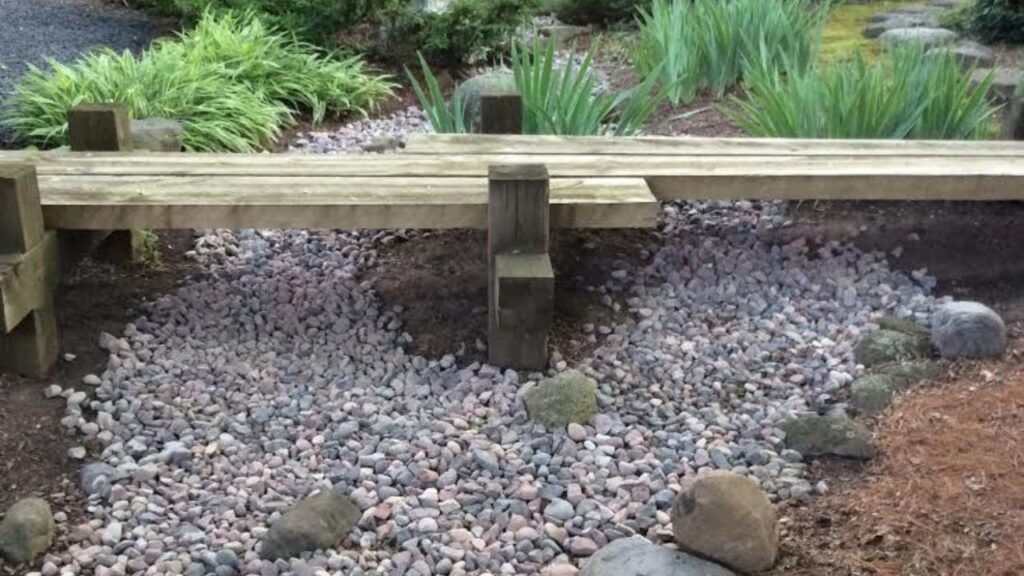
It is possible that you already have ideal painting stones outside your house. Smooth stones can be found hidden in soil patches, garden beds, and landscaping areas. Before using, properly wash them to get rid of any oil or dust.
Parks and Environmental Trails
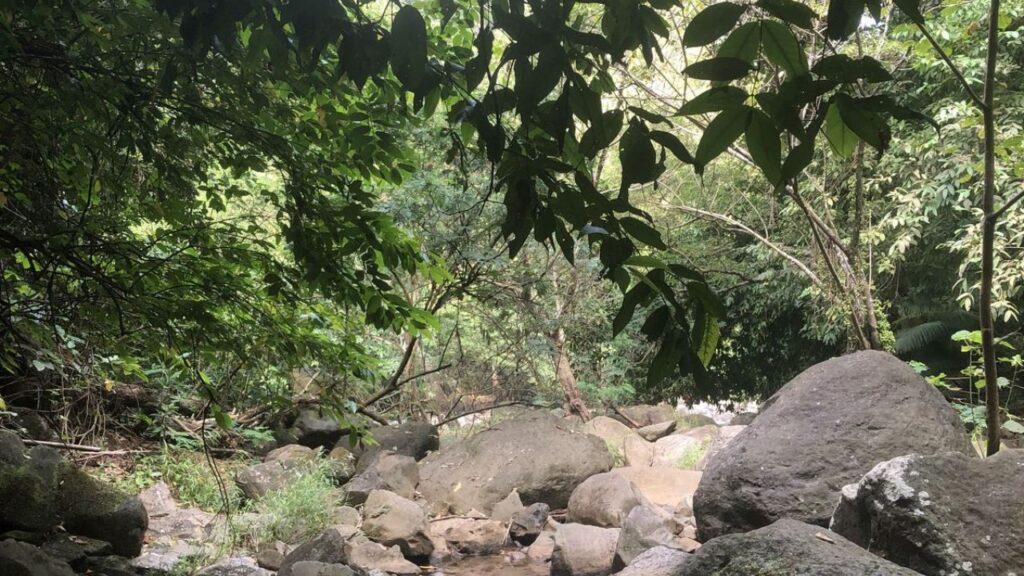
There are occasionally stray stones on parks and hiking routes that make for great painting subjects and place where to find the best rocks for Painting. Examine dry creek beds or trails. Avoid protected places where it is prohibited to remove rocks and always collect properly.
Building or Landscaping Sites
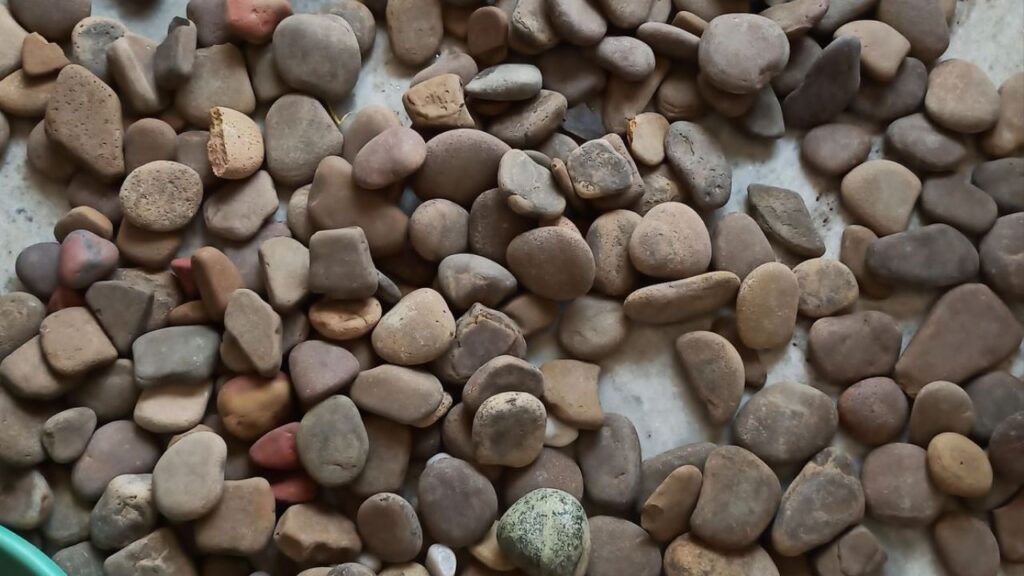
If you have permission, you might be able to gather a few smooth stones that would otherwise be thrown away from leftover gravel piles from building or landscaping projects.
Where to Purchase Rocks for Painting
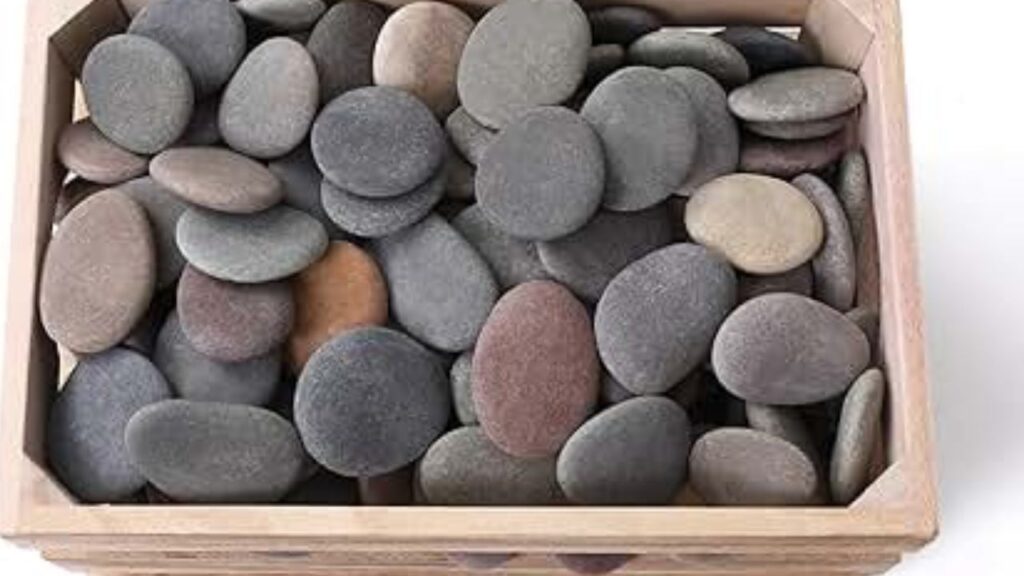
You can easily buy sufficient rocks if you can’t find them outside.
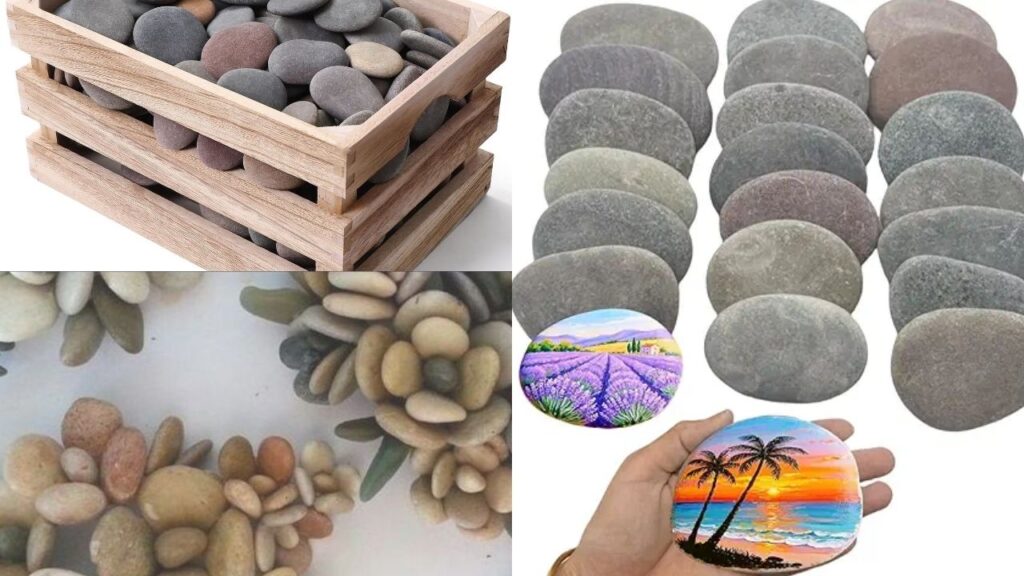
These rocks could be found in :
- Craft shops
- Shops for landscaping supplies
- Garden centers
- Online marketplaces
Purchasing rocks is useful if you need them for a workshop, classroom, or craft event or if you want them in uniform sizes.
How to Select the Best Rocks for Painting
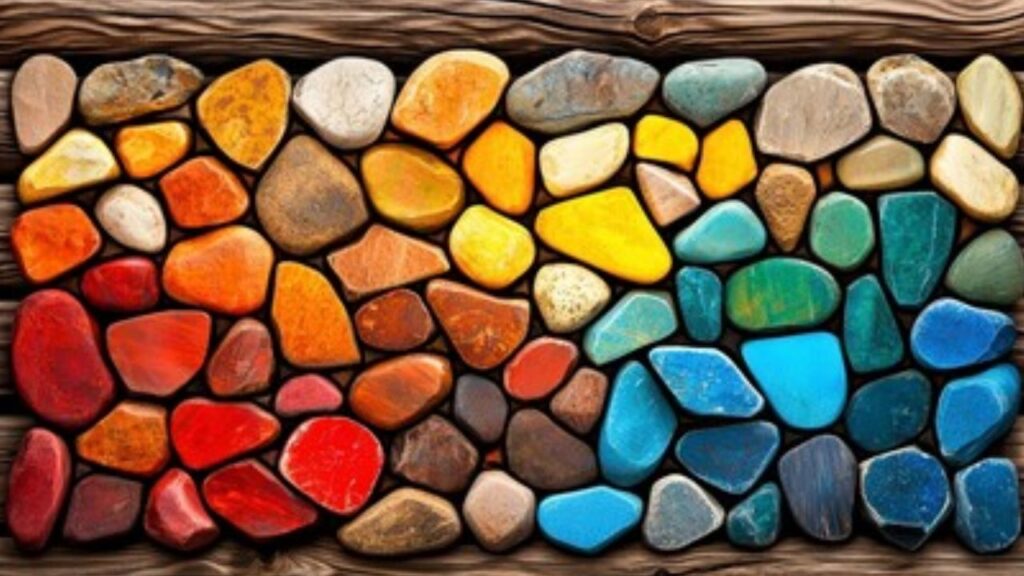
Here are some basic guidelines to remember when choosing rocks:
- Smoothness: It is easier to paint details on a smooth surface.
- Shape: Flat rocks work well. Specially For beginners and composing of designs,
- Size: To paint and grip, medium stones (2–4 inches) are ideal.
- Color: Light-colored rocks enhance the vibrancy of paint colors.
- Durability: Stay away of fragile or broken rocks.
The final work of art can be significantly enhanced by spending a little more time selecting the ideal rock.
Rocks to Stay Away for Painting
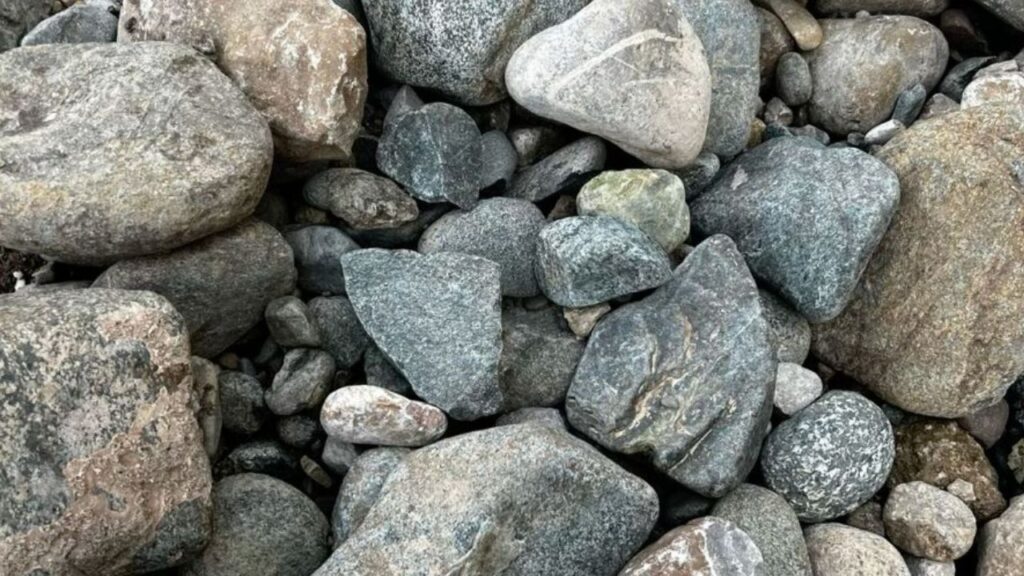
Not all stones are good for painting. Stay out of:
- Grainy, rough rocks
- Dusty or chalky rocks
- Stones that are cracked
- Very black rocks that make it difficult to see colors
- Porous stones that rapidly absorb paint
Especially for beginners, using the incorrect rocks frequently results in disappointment.
Preparing Rocks Ready for Painting

Before painting, even the finest rocks require preparation. Use these easy steps:
- Use soap and water to wash rocks.
- Use a brush to remove dirt.
- Give everything a good wash
- Allow everything to dry totally
- Apply a base coat or primer as an option.
Cleaning keeps paint from peeling and guarantees that it dries properly.
Expert Advice on How to Choose the Best Painting Rocks

- Look after a rain; wet rocks show off their actual color and smoothness.
- Bring along a little bag so you can collect interesting stuff when you’re out and about.
- At home, keep a collection box for upcoming tasks.
- Using your finger, test the surface of a rock; it should feel smooth rather than grainy.
Professional rock painters usually build their own collection of stones so they are always prepared.
Creative Ideas to Use Your Collected Rocks

The fun really starts after you’ve discovered some amazing rocks. You can use painted stones for:
- Décor for the garden
- Presents
- Kindness rocks are amazing (sending encouraging messages)
- Children’s crafts
- Interior design
When you have a supply of high-quality rocks, you can create anytime you feel inspired.
Concluding Remarks
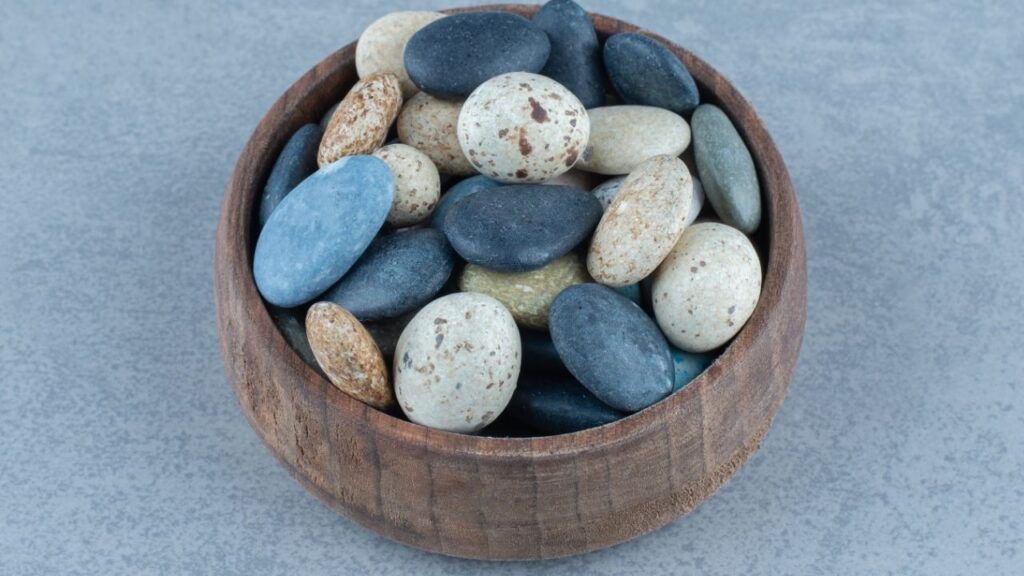
The first step to producing beautiful and durable painted stones is knowing where to find the best rocks for painting. Selecting solid, smooth rocks will make painting simpler and more pleasurable, whether you buy them from a store or gather them from the natural world. Even beginners can enjoy this relaxing art form and create beautiful designs with the suitable stones.
Therefore, pay attention to the ground the next time you’re outside since your next masterpiece might be right there.